Not every ortho-restorative case is straightforward. Often, orthodontics is simply about aligning teeth for a more esthetic restorative outcome — you move the teeth, then you restore them. But sometimes function, not esthetics, drives the plan. This was one of those cases, and the difference matters more than it sounds.
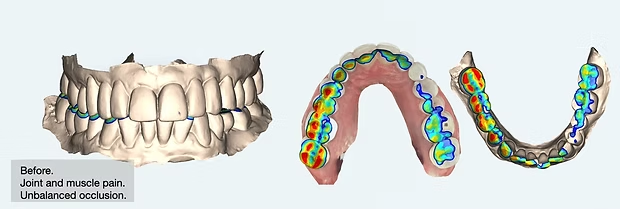
This patient had been restored many times over her life, by different dentists. Every time, her occlusion was set at MIP — maximum intercuspation, wherever her teeth happened to fit together that day. Here's the thing about building to MIP: it's a position, but it isn't necessarily a stable or repeatable one. If the muscles are strained and the joints aren't seated, the bite you capture is the one the muscles are bracing into, not the one the patient can actually live in. Do that once and you might get away with it. Do it across a lifetime of restorations, each one set to whatever the last one created, and contact gets transferred inconsistently across the mouth. The starting point becomes emotional and unpredictable rather than something you can measure and return to.
So it's no surprise where she landed. Her chief complaint wasn't her smile. It was jaw pain. She couldn't wear an appliance comfortably, and muscle fatigue was constant. Her teeth were worn, which added functional problems on top of some minor esthetic concerns. When a patient tells you the bite has never felt right, believe her — that's the case talking.
Find the Bite Before You Restore
Before I commit to any restorative work in a case like this, I want a bite I can trust — repeatable, comfortable, reproducible from one appointment to the next. That's what deprogramming gives you. When you quiet the muscles and let them stop guarding, the mandible seats into a position driven by the joints rather than by the way the teeth currently interdigitate. Now you're building to something real. If you skip this and go straight to restorations, you're setting your final result to the same strained, MIP-based starting point that caused the problem in the first place, right? Deprogramming is how you break that cycle. Only once she had a repeatable, comfortable position did I know what we were actually restoring to.
Let Orthodontics Keep the Restorative Minimal
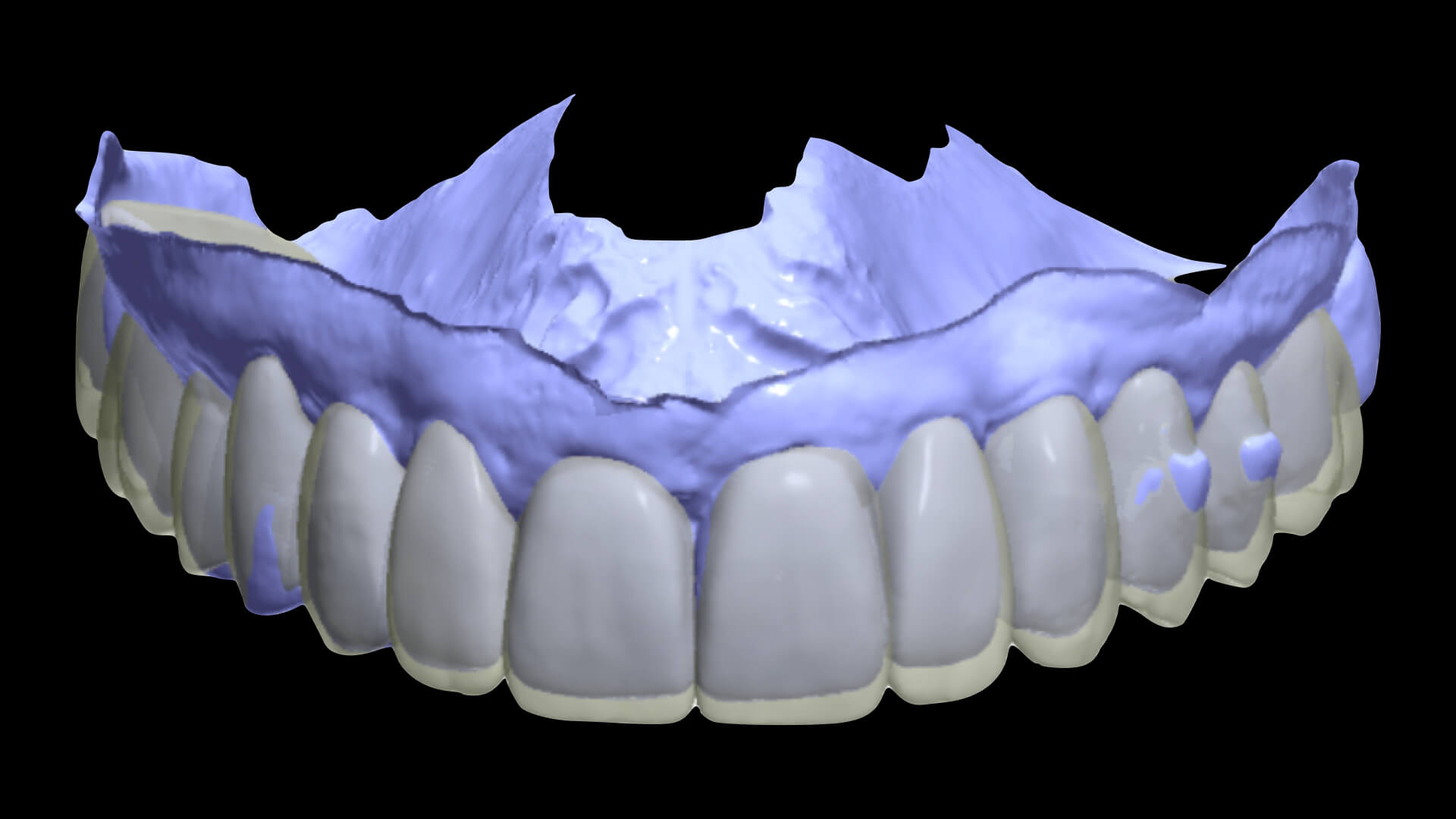
The instinct in a worn, uncomfortable case is to restore your way out of it — crown everything, rebuild the bite in porcelain. But that's a lot of tooth structure to remove, and it doesn't create space so much as fill it. Mild aligner therapy let us do something less invasive. By moving teeth, we could expand the arch, improve the occlusion, and open up tongue space — creating room we'd otherwise have had to carve out of the teeth themselves.

That's the trade I want on the table in every complex case. Every bit of room orthodontics gives you is structure you don't have to take from healthy teeth. So we combined deprogramming, mild aligner therapy, and selective restorative work — refining only the teeth that actually needed it — to restore balance without over-treating anything.
The result was a bite that finally felt comfortable, an arch with more room, and restorations kept to the minimum the case required. But the through-line was the sequence: comfort first, position second, restoration last. For this patient, success was never going to be measured in her smile. It was measured in whether her jaw finally felt right.
Three Key Takeaways from This Case
- Function can drive the plan: When jaw comfort is the chief complaint, occlusion and stability lead the treatment, not esthetics.
- Deprogram before you restore: A repeatable, comfortable position gives you something real to build to, instead of locking in a strained MIP bite.
- Let orthodontics protect tooth structure: Mild aligner therapy creates arch and tongue space so restorations stay minimal and selective.