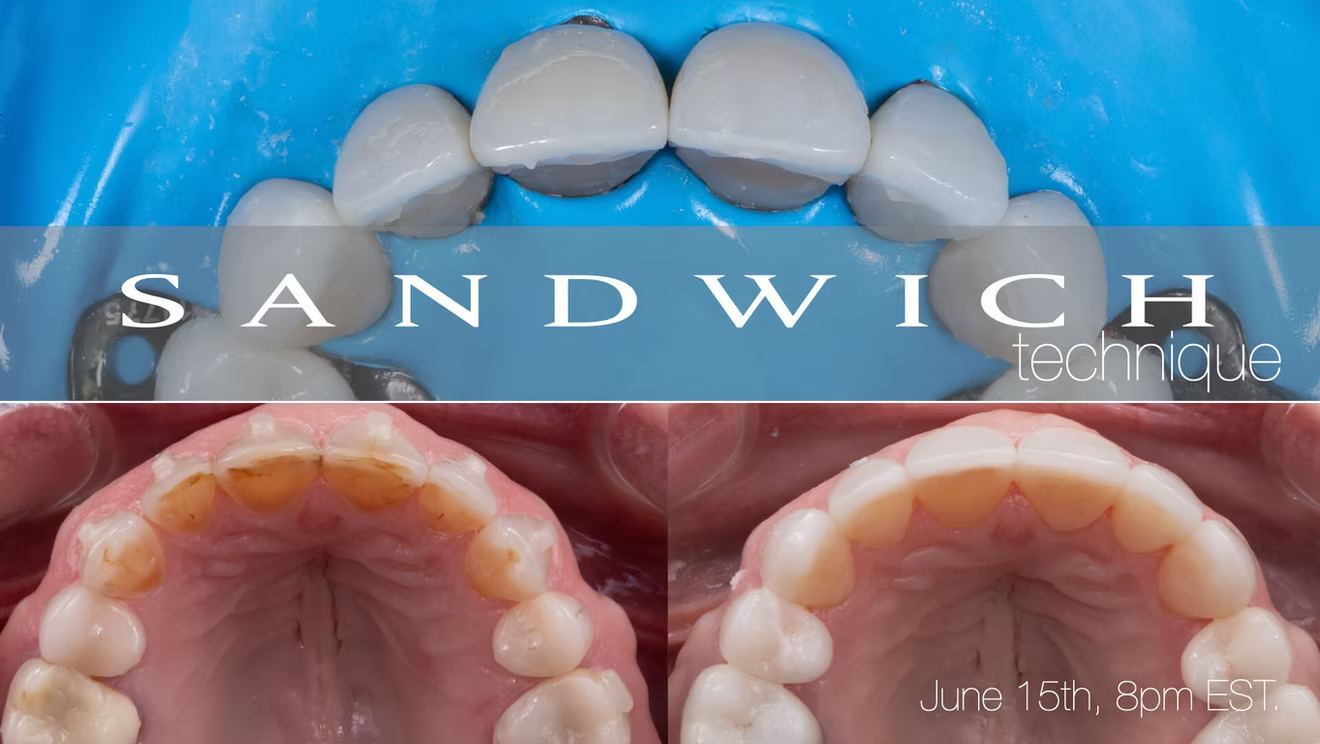
I place a lot of anterior composites — far more porcelain than most people would guess. They're some of my favorite cases to do and some of the hardest to teach, because the decisions that actually matter happen chairside, layer by layer. I can't stop mid-procedure to photograph every increment, right? So the reasoning lives in my head, and that's exactly what I want to pull out into the open here.
This patient came in with healthy teeth, minor spacing, worn incisal edges, and a V-shaped anterior segment. The laterals were rotated outward, the centrals tapered in, and a concavity sat between them that created an odd bit of negative space. None of it was dramatic. But small imbalances stack, and together they pulled the whole smile out of harmony.
Could I have restored this with composite alone? Yes. Should I have? Probably not.
Align First, Then Add
Here's the thing about building composite onto poorly positioned teeth: you spend the whole case compensating. You add bulk to fill a concavity, then fight the reflections that bulk creates, then thin an embrasure to fake a contact that the tooth position never gave you. Every layer is correcting the one underneath it.
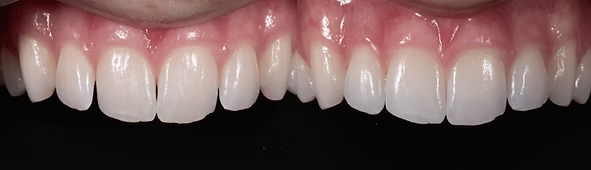
A short phase of mild aligner therapy changed the entire equation. Broadening the anterior arch and improving tooth position let the concavity resolve on its own. The incisal edges became easier to manage. Suddenly the restorative plan was far more conservative — because I was adding to teeth that were already in the right place instead of using composite to drag them there.
That's the distinction I want you to sit with. Mild aligner therapy isn't about a textbook occlusion. It's about positioning teeth so the composite becomes additive rather than corrective. When the foundation is right, you place less material, and less material almost always reads as more natural.
De-Risk With a Mock-Up, Judge in Monochrome
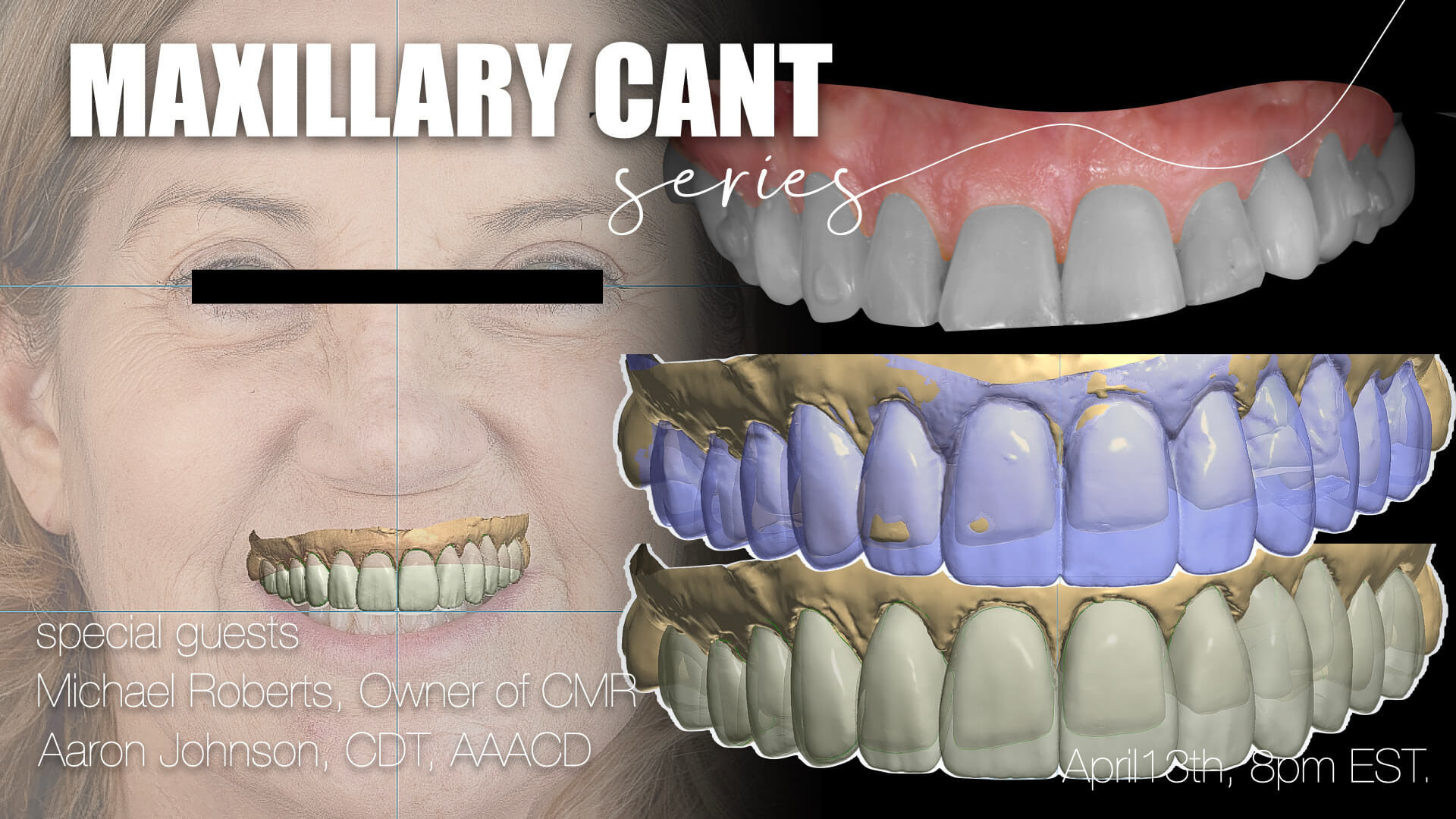
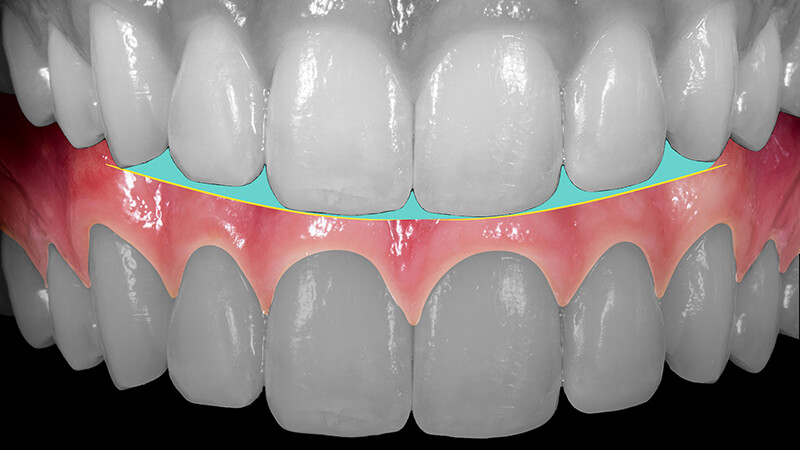
Before I bond anything, I do a quick mock-up. It costs me a few minutes and tells me — and the patient — what the final result actually wants to be. I can see whether the incisal edge position works, whether the smile curve follows the lower lip, whether the proportions hold up before a single increment of composite is set. If something's off, I'd much rather find out on a mock-up than three layers deep in a bonded restoration.
Then I evaluate anatomy in monochrome. Strip the color out and your eye stops being fooled by shade and starts reading form: symmetry between the centrals, the balance of the embrasures, the rhythm of the line angles. Color is seductive — it hides asymmetry that a black-and-white image exposes immediately. I make my shape and symmetry decisions in monochrome, then bring color back in for shade selection and composite handling.
Only after the position, the mock-up, and the form are settled do I think about shade. And by then the hard work is done. Consistent, natural color is much easier when you're not also asking the color to compensate for anatomy that isn't right.
Three Key Takeaways from This Case
- Position before placement: A short phase of aligner therapy makes anterior composite additive instead of corrective, so you place less material and get a more natural result.
- Mock-up before you bond: A quick mock-up lets you and the patient see the outcome and catch problems while they're still cheap to fix.
- Judge form in monochrome: Removing color sharpens your read on symmetry, embrasures, and smile curves before shade ever enters the picture.