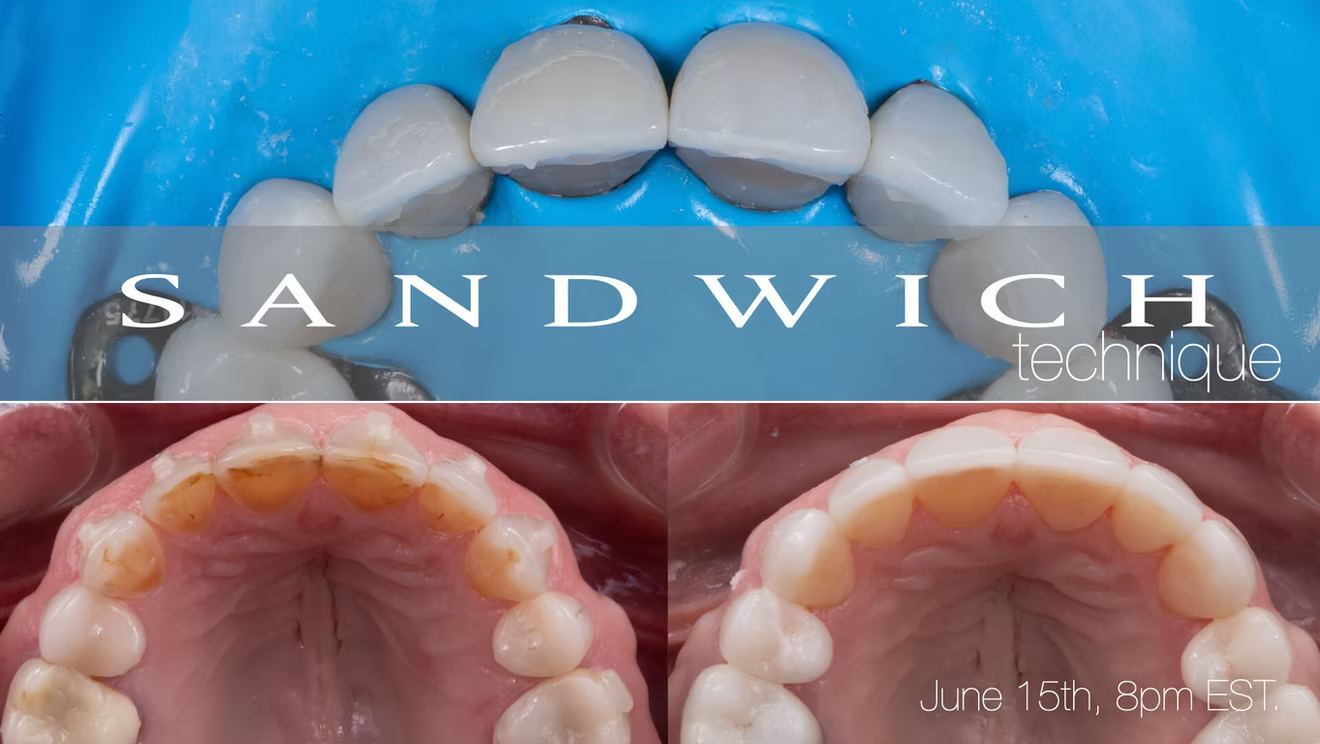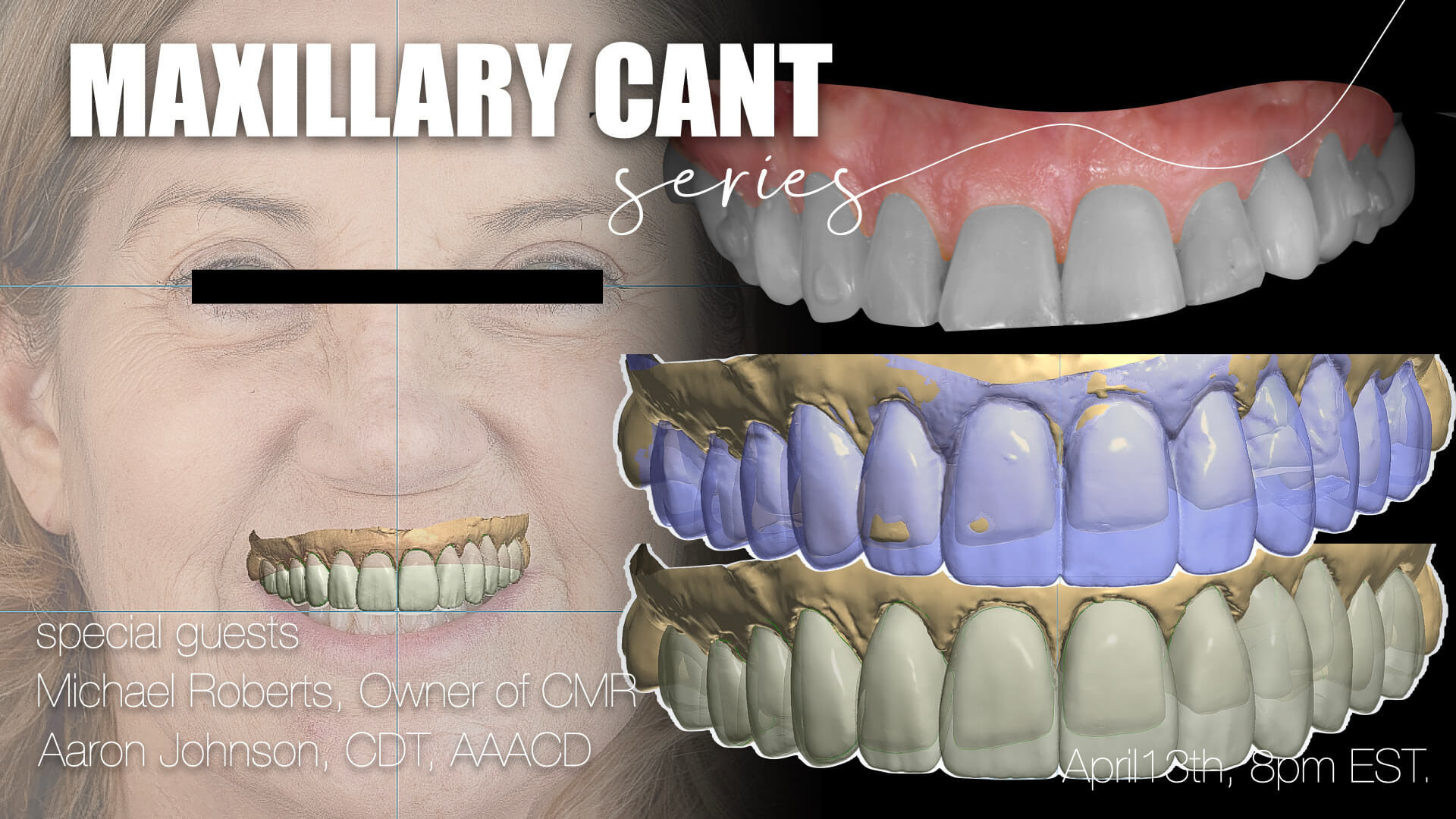
In restorative and cosmetic dentistry, the artistry of creating a natural-looking tooth goes far beyond simply matching a shade. Today, I want to introduce you to a technique I consider one of the most powerful tools for achieving lifelike anterior restorations: the Vertical Lobe Technique. This method takes what we’ve explored in other approaches, like the window technique and multi-layer technique, and elevates it—allowing for exceptional control over color, translucency, and internal anatomy in direct composite restorations.
Why the Vertical Lobe Technique Matters
Unlike single-shade or even traditional multi-layer techniques, the Vertical Lobe Technique gives you the ability to create depth and complexity inside the tooth. By pre-rolling composite into small, strategic lobes, you can build the tooth layer by layer, controlling translucency, opacity, and chromatic effects in ways that mimic natural dentition. Each lobe becomes a mini “anatomical unit,” allowing the finished restoration to appear dynamic, not flat or uniform.

Clinical Advantages
- Natural Depth: The Vertical Lobe Technique allows internal layering that mirrors natural teeth, including subtle variations in dentin and enamel.
- Customizable Color Effects: By mixing tints directly into the lobes, you can create warm or cool effects where you want them, avoiding the “flat” look of surface-only staining.
- Precision in Complex Cases: This technique excels in managing fractured teeth, shade-matching complex anterior cases, and creating lifelike restorations in high-visibility areas.